
The evolution of gambling A historical journey through time
The Origins of Gambling
The history of gambling dates back thousands of years, with evidence tracing its roots to ancient civilizations such as Mesopotamia and China. Early forms of gambling included simple games of chance, often involving dice made from animal bones. These primitive games provided not only entertainment but also opportunities for social interaction and bonding among community members. As interest surged, people discovered that visiting real money casinos could enhance their gaming experience significantly.

As societies evolved, so did the complexity of gambling activities. The introduction of games like Keno in China and various betting systems in Rome showcased the growing interest in chance-based entertainment. These early forms laid the groundwork for the gambling practices we see today, highlighting humanity’s enduring fascination with risk and reward.
The Rise of Formal Gambling Institutions
During the Middle Ages, gambling became more structured, leading to the establishment of betting houses across Europe. These venues offered a range of games and betting options, attracting a diverse clientele. The popularity of card games, especially in France, fueled the growth of casinos, which became social hubs for the wealthy and influential.
The emergence of the lottery in the 16th century marked another significant milestone in gambling’s evolution. Governments recognized the potential for generating revenue, leading to the establishment of state-run lotteries. This trend contributed to the legitimization of gambling, allowing it to gain acceptance in society.
The Influence of Technology on Gambling
The advent of the 19th century brought about significant technological advancements that transformed the gambling landscape. The invention of the printing press allowed for the mass production of playing cards and gambling literature, increasing accessibility to these activities. Moreover, the introduction of the mechanical slot machine in the late 1800s created a new form of entertainment that captivated audiences.
As technology continued to progress into the 20th century, so did gambling. The rise of radio and television expanded the reach of gambling media, making it more mainstream. The combination of increased accessibility and media exposure paved the way for modern gambling culture, integrating it into daily life.
The Online Gambling Revolution
The late 20th century marked a significant turning point with the rise of the internet. Online gambling platforms emerged, allowing players to participate in games from the comfort of their homes. This digital revolution created a global gambling community, breaking down geographical barriers and enabling individuals to connect through shared interests.
Additionally, advancements in mobile technology further accelerated this trend, making gambling accessible on smartphones and tablets. As a result, online casinos and sports betting sites flourished, offering diverse options and promoting responsible gaming practices. This evolution has transformed how people perceive and engage in gambling today.
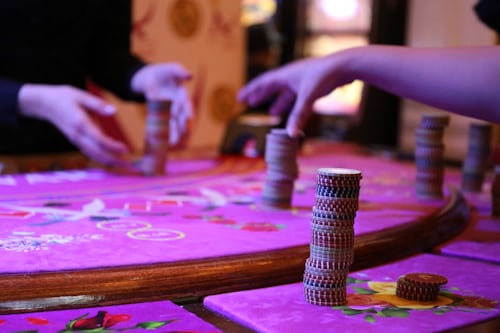
The Role of Gambling in Popular Media
Gambling has been a captivating theme in popular media, reflected in literature, films, and television shows. From classic novels like Dostoevsky’s “The Gambler” to modern blockbusters like “Casino Royale,” the allure of gambling has been explored in various narratives. These portrayals often highlight the thrill and risks associated with gambling, influencing public perception and cultural attitudes.
Furthermore, the integration of gambling into popular media has sparked discussions around responsible gaming and the potential for addiction. As society continues to grapple with these issues, the portrayal of gambling in media remains significant in shaping attitudes toward this longstanding practice.