
The fascinating journey of gambling through history
Origins of Gambling
The history of gambling dates back to ancient civilizations, where games of chance were woven into the fabric of society. Archaeological findings suggest that the earliest forms of gambling appeared in China around 2300 BC, involving rudimentary games and betting on the outcomes of events. As civilizations evolved, so did the complexity of gambling, with the introduction of dice and betting systems that added layers of strategy and risk. For those interested in the latest gaming options, check out the Wildsino official site to explore a vibrant selection.
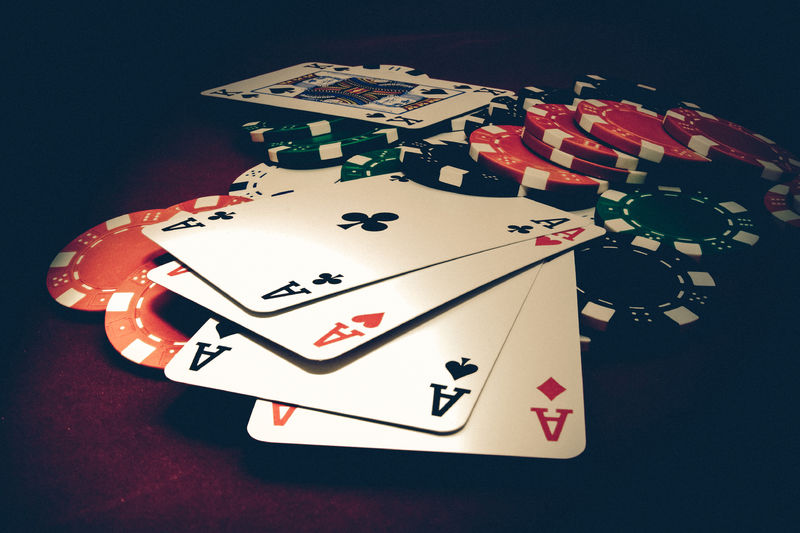
The ancient Romans and Greeks also engaged in various gambling activities, from betting on gladiatorial combats to playing board games that involved luck and skill. These early forms of gambling laid the groundwork for what would develop into a global phenomenon, capturing the imaginations of cultures around the world.
Gambling in the Middle Ages
During the Middle Ages, gambling took on new forms and purposes. It became a popular pastime among nobility, who engaged in card games and wagered on the outcomes of various events, including tournaments. The introduction of printed playing cards in Europe in the 14th century marked a significant evolution in gambling, making it more accessible to the general population.
However, the relationship between gambling and society was complex. While it provided entertainment and a chance for social interaction, it was also met with disapproval from the church and authorities, who viewed it as a vice. This tension shaped the regulation of gambling, leading to periods of prohibition and acceptance throughout the Middle Ages.
The Birth of Modern Gambling
The 17th and 18th centuries marked a pivotal point in the evolution of gambling, with the establishment of the first official gambling houses and the introduction of state-sponsored lotteries. The first modern casino, the Casino di Venezia, opened in Italy in 1638, setting a precedent for future gaming establishments. This period also saw the emergence of sports betting, as people began to wager on horse races and other athletic competitions.
As gambling gained popularity, it became an integral part of social life in cities across Europe and America. The rise of gambling also coincided with the Industrial Revolution, which provided new opportunities for entertainment and leisure, further embedding gambling into the social fabric of modern society.
The Digital Revolution and Online Gambling
The late 20th century heralded the digital revolution, transforming the landscape of gambling once again. The advent of the internet enabled online gambling platforms to emerge, allowing players to enjoy casino games, sports betting, and poker from the comfort of their homes. This accessibility revolutionized the industry, attracting a new generation of gamblers who preferred the convenience of online experiences.
Online gambling also introduced innovative technologies, such as live dealer games and mobile applications, enhancing the overall user experience. As regulations began to adapt to this new digital environment, countries around the world started to legalize and regulate online gambling, solidifying its status as a mainstream form of entertainment.
Exploring Wildsino Casino
In today’s digital landscape, Wildsino Casino stands out as a premier online gaming destination for both seasoned gamblers and newcomers alike. With a diverse range of over 4,000 games, including slots and live dealer experiences, it offers something for everyone. New players can take advantage of generous bonuses and promotions, making it an attractive option for those looking to dive into the world of online gambling.
Wildsino Casino prioritizes user experience and safety, being fully licensed and regulated to ensure a secure gaming environment. With round-the-clock customer support and a user-friendly interface, it is designed to cater to a wide range of players, making the journey through the fascinating world of gambling both exciting and accessible.