
Its capacity to course of vast quantities of knowledge, execute trades with unbelievable pace, and eliminate human feelings has made it a popular alternative for each individual and institutional buyers. However, it is crucial to recognize that algorithmic trading additionally Proof of personhood comes with inherent risks and challenges that should be carefully managed. By understanding its potential and limitations, merchants can harness the facility of algorithmic buying and selling to their advantage whereas minimizing potential pitfalls. Algorithmic merchants employ advanced algorithms and mathematical fashions to make decisions based on market knowledge, such as value movements, quantity developments, and historic patterns. These strategies could be categorized into numerous types, together with development following, mean-reversion, momentum, and arbitrage trading, amongst others. High-frequency trading (HFT) is a popular variant, which includes executing massive numbers of trades at excessive speeds to exploit small worth discrepancies between markets.
Leverage And Margin In Forex Trading: A Double-edged Sword
In principle, algo buying and selling may help traders make profits at beyond-human velocity and effectivity. They can use simple time-based triggers to tell their algo trading software to execute trades automatically. Key risks embrace technical failures (hardware malfunctions, software program bugs), connectivity points, market influence issues (price slippage, poor fill rates), and execution delays.
Faqs About Algo Buying And Selling Vs Conventional Buying And Selling
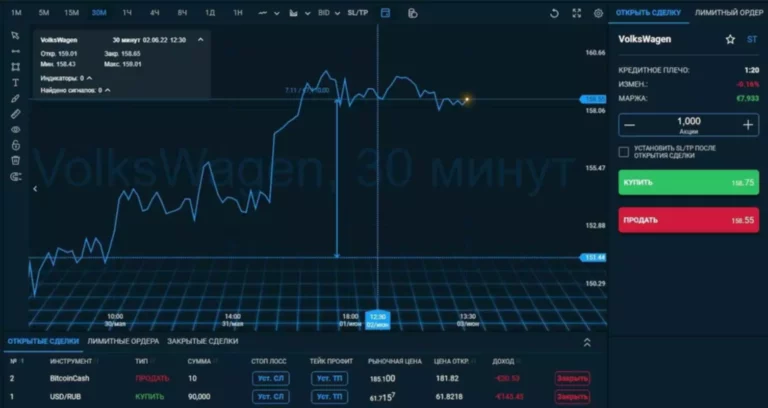
Conventional traders, whereas having extra direct management over risk administration, could also be more susceptible to emotional decision-making. Additionally, algo trading permits for the implementation of advanced threat management strategies. While algo buying and selling permits merchants to position orders a lot faster, computer programs often place many orders inside a very quick time. In distinction, traditional buying and selling relies on human velocity and could additionally be susceptible to delays brought on by emotional hesitation or gradual decision-making. While the utilization of know-how makes algorithmic trading more environment friendly, it also makes it much less versatile since merchants don’t have management over each trade order.
Study
Nevertheless, options like The Clever Trader supply pre-built, machine learning-driven buying and selling algorithms, eliminating the necessity for custom growth. Trading algorithms course of vast quantities of market knowledge what is algo trading in milliseconds, executing trades far quicker than any human. This velocity is important in fast-moving markets, where a delay of even a few seconds can influence trade profitability. One of the most important benefits of algorithmic buying and selling is its capacity to execute trades in milliseconds.
Algo buying and selling follows pre-defined methods, eliminating emotional decision-making. It helps traders stay constant and disciplined, avoiding impulsive actions driven by worry or greed. The process turns into extra streamlined, systematic, and disciplined, resulting in total market improvement.
- They are designed to maintain a predictable value, making them practical for on a daily basis transactions, cross‑border funds, and financial operations that require consistency.
- While algorithmic buying and selling can appear to be a silver bullet—fast, impassive, and systematic—it is not without its downsides.
- They allow quick, low‑cost cross‑border transfers, present liquidity in decentralized finance (DeFi), function trading pairs on exchanges, and provide a protected haven throughout market turbulence.
- It transforms the traditional buying and selling course of and supports merchants in achieving constant results.
- However, it additionally has limitations in comparison with human traders, such as the shortage of creativity, flexibility, and talent to adapt to unexpected market occasions.
- These rules could be based on technical indicators, charts, and observing candlesticks, amongst other issues.
The market can get unpredictable; real property investing during recessions is a superb example of that. This means that even the most effective algorithms may fail to understand the market at certain points. As a end result, even though you automate trading with algorithms, you proceed to want to monitor it.
Non-compliance with buying and selling laws can lead to fines or other penalties. Arbitrage is another widespread example, where algorithms exploit momentary worth discrepancies between identical or similar throughout totally different markets. For occasion, a stock market buying and selling https://www.xcritical.com/ algorithm may trigger a purchase at a low inventory worth on one change and sell it at a higher price on one other, capturing the worth difference as revenue. Investors can better control their investments by utilizing algorithms such as automated order execution techniques and artificial neural networks.
In this case, second thoughts can not stop the dealer from performing or refraining from performing actions that they will later remorse. In conclusion, regulatory bodies play a crucial role in sustaining the integrity of economic markets by implementing rules governing algorithmic buying and selling. The rule mandates a trade-through clause, which requires firms to execute orders at the most effective out there value within the public markets before executing trades internally if there is a value enchancment. Loss of Market LiquidityAnother disadvantage of algorithmic trading is the potential lack of liquidity – the ability https://artstudiosketch.ru/fintech/how-ai-is-revolutionizing-finance-implications-for/ to purchase or promote assets without significantly impacting their worth.
Algorithmic trading, a dynamic drive reshaping the landscape of recent finance, is a realm the place the interaction of exceptional advantages and distinct challenges creates a compelling narrative. This situation calls for human intervention, hours of monitoring, and guide order execution. The dynamic journey of trading is a living testament to human innovation, the relentless quest for efficiency, and the vibrant allure of earnings. Look at this story carefully by exploring the core rules and mechanisms behind it. Algorithmic trading, with its increasing importance to the monetary market, has drawn significant regulatory attention.
As ESG knowledge becomes extra accessible, these algorithms are anticipated to play a pivotal position in promoting accountable investment practices. Automated trading methods considerably cut back operational costs by streamlining the entire trading process. They remove the necessity for constant guide monitoring and intervention, releasing up time and assets that could be directed towards technique improvement and other value-added actions. Moreover, the ability to optimize commerce execution and decrease transaction costs ensures that traders can maximize their returns whereas keeping expenses underneath management. Regardless Of its advantages, algorithmic buying and selling also includes dangers that require careful consideration. Giant algorithmic trades can affect market prices, leading to unexpected volatility, especially in less liquid markets.